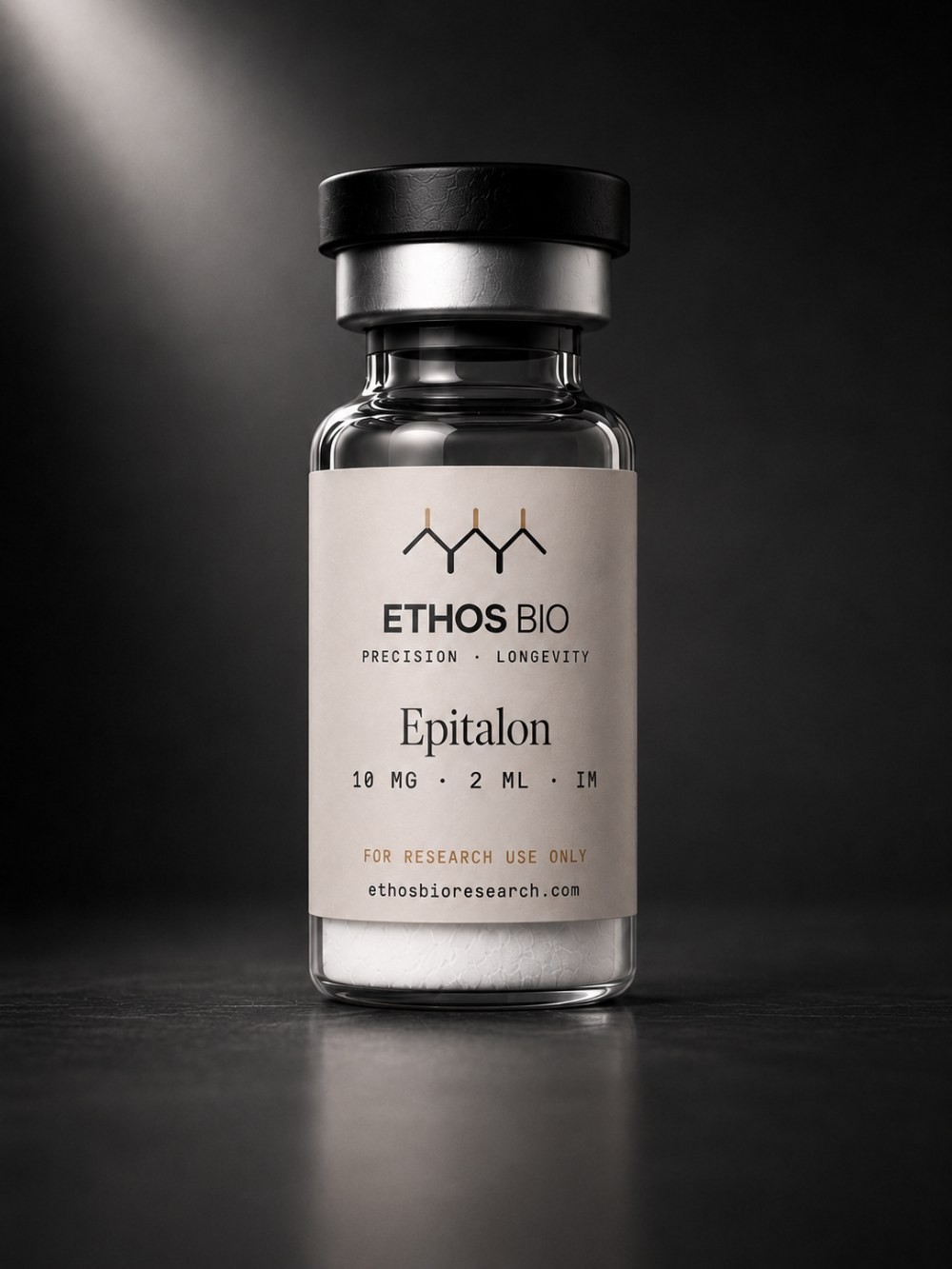
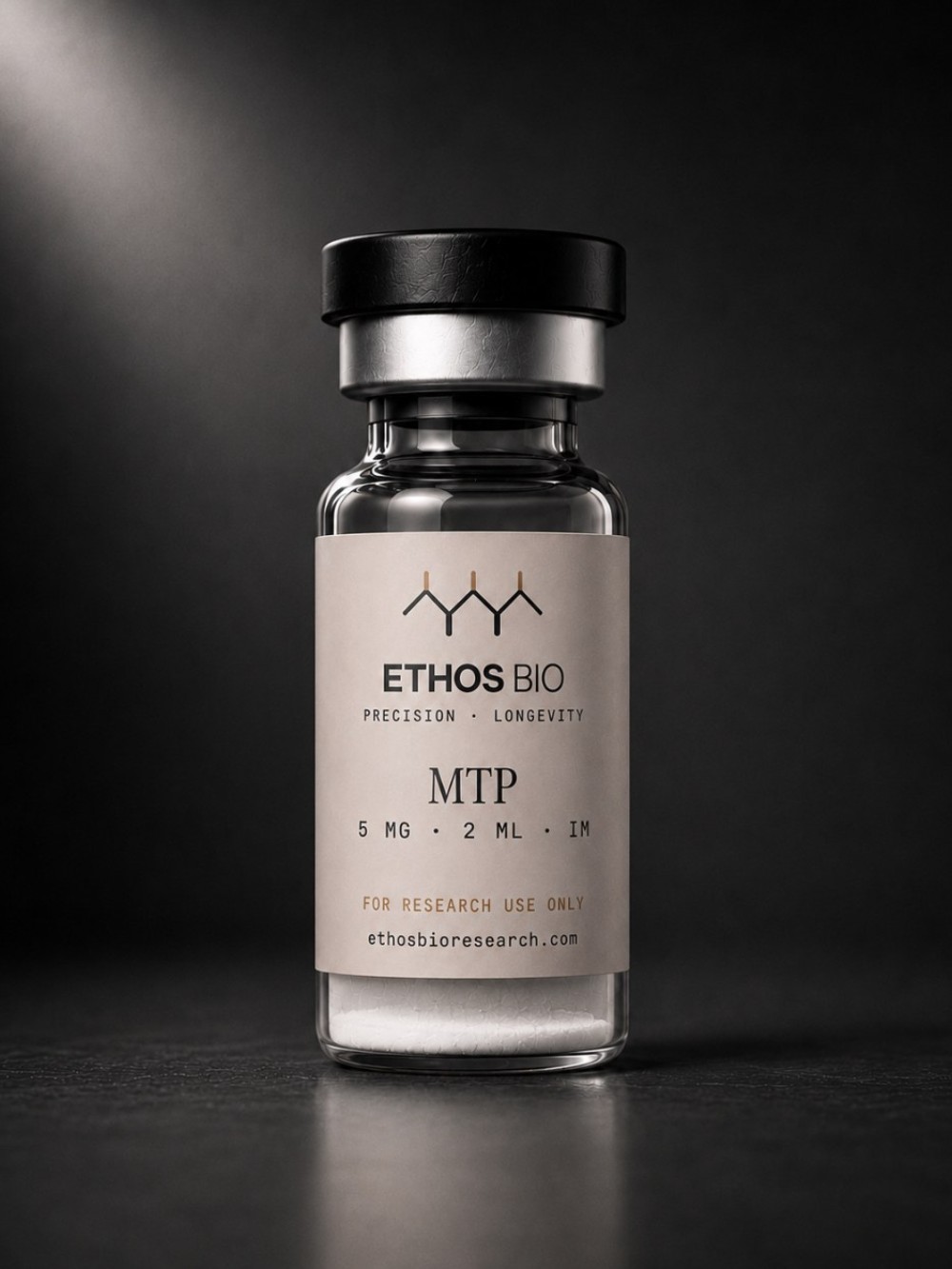
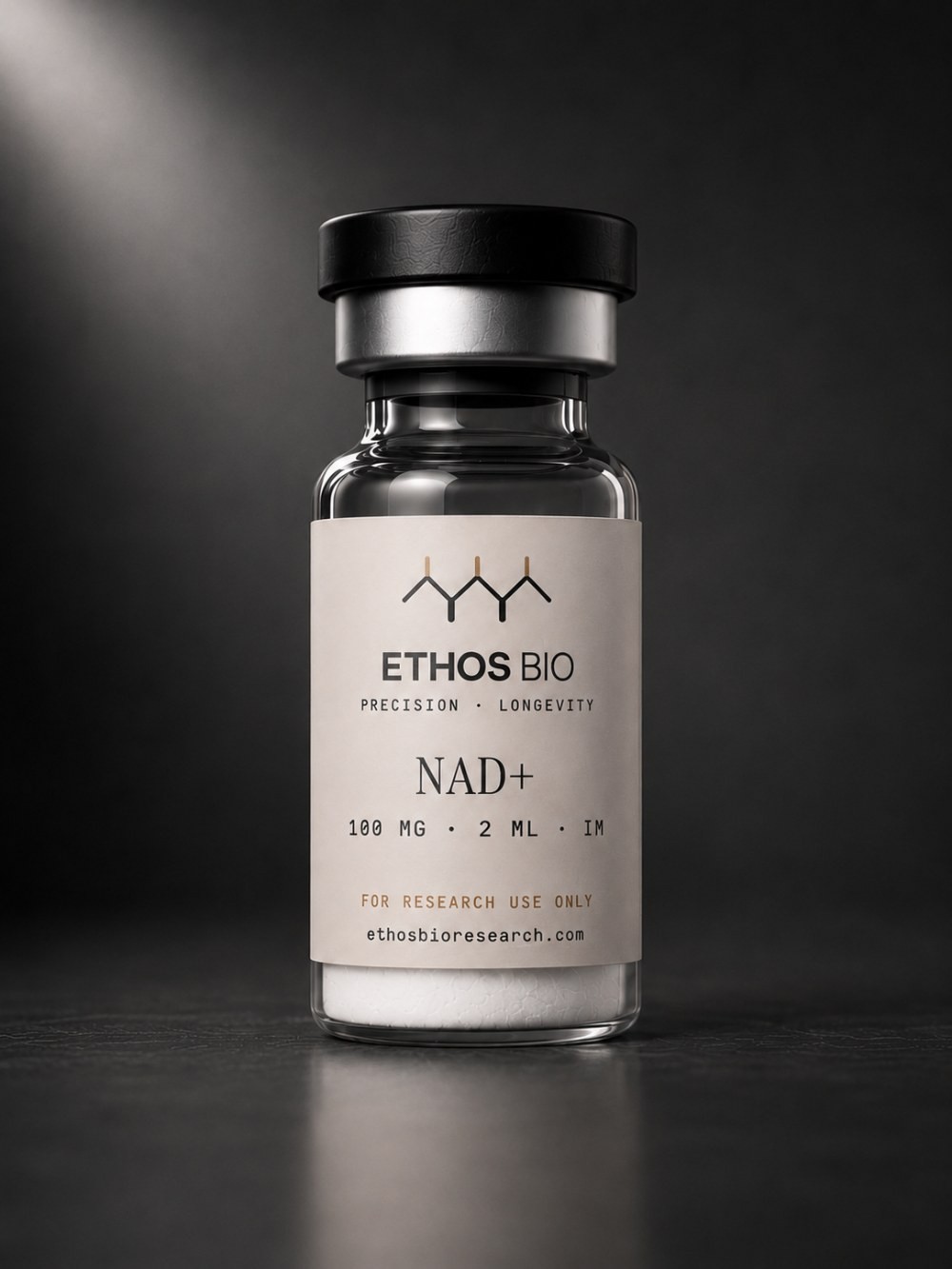
A complete reference on the neuropeptides used to study cognition and neuroprotection — the BDNF and neurotrophic axis, GABAergic anxiolytic signaling, and sleep-regulating peptides — with mechanisms, specifications, key literature, and per-lot-verified research reagents.
The peptides used in cognition research act on a small set of high-leverage systems: the neurotrophic factors that maintain and grow neurons, the inhibitory GABAergic tone that governs anxiety and arousal, and the signaling pathways that regulate sleep architecture.
What distinguishes neuropeptide research tools is their ability to modulate these systems with a degree of selectivity. The Russian-developed regulatory peptides Semax and Selank — derived respectively from ACTH and the immunopeptide tuftsin — are among the most-studied compounds in this space, each engaging a distinct axis: Semax the neurotrophic / BDNF system, Selank the GABAergic / anxiolytic system.[1][3]
Research framing only · No therapeutic, dosing, or human-use claims
02The BDNF / Neurotrophic Axis
Brain-derived neurotrophic factor (BDNF) is the central molecule of neuroplasticity research. It supports the survival of existing neurons, encourages the growth of new ones and their synapses, and is closely tied to learning and memory consolidation.[2]
Several research peptides are studied for their capacity to elevate BDNF and related neurotrophins in model systems. Semax is the prototypical example — a heptapeptide fragment of ACTH(4–10) investigated for its rapid up-regulation of BDNF expression in the hippocampus and its neuroprotective profile under ischemic stress.[2]
03The GABAergic Anxiolytic Axis
Where the neurotrophic axis concerns growth and protection, the GABAergic axis concerns balance — the inhibitory tone that regulates anxiety, arousal, and focus.
GABA is the brain's principal inhibitory neurotransmitter, and compounds that modulate GABAergic signaling are studied for anxiolytic (anxiety-reducing) properties without the sedation associated with classical depressants. Selank, a synthetic analog of the immunomodulatory peptide tuftsin, is the key tool here: it is investigated for anxiolytic effects, modulation of the expression of GABA-receptor subunits, and stabilization of enkephalins in model systems.[3] Sleep-regulating peptides such as DSIP address a related dimension of the same neurochemistry.[4]
SemaxBDNF / Neurotrophic
Semax is a synthetic heptapeptide based on the ACTH(4–10) fragment, developed as a neuroactive regulatory peptide. Unlike its parent hormone, it lacks corticotropic activity, acting instead on the central nervous system.[1]
What researchers study
Semax is studied primarily for its rapid up-regulation of BDNF and NGF in the hippocampus, and for neuroprotective effects in models of ischemia and cognitive load. It is one of the most-cited nootropic research peptides in the neurotrophic-signaling literature.[2]
Specifications
Class
ACTH(4–10) heptapeptide analog
Molecular weight
813.9 g/mol
Form
Lyophilized powder
Purity
≥99% (HPLC, MS-verified)
Available
5 · 10 · 30 mg
SelankGABAergic / Anxiolytic
Selank is a synthetic analog of the immunomodulatory peptide tuftsin, developed as a regulatory neuropeptide. It engages the GABAergic system and the enkephalin pathway.[3]
What researchers study
Selank is investigated for anxiolytic signaling without sedation, modulation of GABA-receptor subunit expression, and stabilization of endogenous enkephalins. It is frequently studied alongside Semax to contrast the GABAergic and neurotrophic axes.[3]
Specifications
Class
Tuftsin analog heptapeptide
Molecular weight
751.9 g/mol
Form
Lyophilized powder
Purity
≥99% (HPLC, MS-verified)
Available
5 · 10 mg
DSIPSleep-Regulating
DSIP (delta sleep-inducing peptide) is a naturally occurring nonapeptide first isolated from the cerebral venous blood of sleeping animals. It crosses the blood–brain barrier and is studied for its role in sleep regulation.[4]
What researchers study
DSIP is investigated for its influence on slow-wave (delta) sleep architecture, stress-response modulation, and neuroendocrine regulation in model systems — making it a tool for studying the sleep dimension of cognitive and recovery research.[4]
Specifications
Class
Delta sleep-inducing nonapeptide
Molecular weight
848.8 g/mol
Form
Lyophilized powder
Purity
≥99% (HPLC, MS-verified)
Available
5 · 10 · 15 mg
07Supporting Compounds
Beyond the core nootropic tools, several circadian and neuroenergetic peptides appear together in comprehensive cognition and neuroprotection research.
A practical view of the core reagents in this guide — class, vial range, and entry price — to help researchers scope a study budget. Larger vials carry a lower per-milligram cost.
Compound
Class
Vial range
From
Best value vial
Semax
Neurotrophic
10–60 mg
$44.99
60 mg — $199.99 ($3.33/mg)
Selank
GABAergic
5–10 mg
$29.99
10 mg — $44.99 ($4.50/mg)
DSIP
Sleep peptide
5–15 mg
$44.99
15 mg — $99.99 ($6.67/mg)
09Handling, Reconstitution & Storage
These are general handling notes for lyophilized peptide reagents in a laboratory setting — not use instructions of any kind.
Storage
Lyophilized (freeze-dried) peptides are most stable as a dry powder. Stored at −4°F and protected from light and moisture, they remain stable for extended periods. Vials should be allowed to reach room temperature before opening to avoid condensation on the powder.
Reconstitution
For laboratory work, peptides are typically reconstituted with bacteriostatic or sterile water added slowly against the vial wall, then swirled — not shaken — until fully dissolved. Reconstituted peptide is kept refrigerated at 36–46°F and used within the window established by the researcher's protocol.
Handling notes for laboratory reagents only · Not directions for human or veterinary use
10Purity & Verification
Every Ethos Bio lot is analyzed by reverse-phase HPLC and independently confirmed by mass spectrometry through our third-party partner, Janoshik Analytical. A signed Certificate of Analysis documenting identity and ≥99% purity is provided for every lot and mirrored to your researcher account.
Every lot, independently verified
Identity by mass spectrometry, purity by HPLC. The COA shipped with your order reflects your specific lot.
What is BDNF and why does it matter in cognition research?
Brain-derived neurotrophic factor (BDNF) supports neuron survival, the growth of new neurons and synapses, and is closely tied to learning and memory. Peptides like Semax are studied for their ability to elevate BDNF in model systems.
How do Semax and Selank differ?
Semax engages the neurotrophic / BDNF axis and is studied for cognitive and neuroprotective signaling. Selank engages the GABAergic / anxiolytic axis and is studied for anxiety-reducing effects. They are often studied together to contrast the two systems.
What does "anxiolytic without sedation" mean in research terms?
It describes a research model in which a compound reduces anxiety-like behavior in test systems without the sedative effects of classical depressants. This is a property studied in animal models, not a human-use claim.
Are these nootropic compounds for human cognitive enhancement?
No. Every compound listed is supplied strictly as a research reagent for laboratory and animal-model study. Nothing here is for human consumption, and no cognitive-enhancement or therapeutic claims are made.
How is purity verified?
Every Ethos Bio lot is analyzed by reverse-phase HPLC and independently confirmed by mass spectrometry, with a per-lot Certificate of Analysis documenting identity and ≥99% purity.
12References
Ashmarin IP, Nezavibatko VN, Levitskaya NG, et al. Design and investigation of an ACTH(4–10) analog lacking D-amino acids and hydrophobic radicals. Neuroscience Research Communications. 1995;16(2):105–112.
Dolotov OV, Karpenko EA, Inozemtseva LS, et al. Semax, an analog of ACTH(4–10), regulates expression of BDNF and trkB in the rat hippocampus. Journal of Neurochemistry. 2006;97(s1):82–86.
Zozulya AA, Neznamov GG, Syunyakov TS, et al. Efficacy and possible mechanisms of action of a new peptide anxiolytic Selank. Bulletin of Experimental Biology and Medicine. 2008;146(3):277–280.
Graf MV, Kastin AJ. Delta sleep-inducing peptide (DSIP): a review. Neuroscience & Biobehavioral Reviews. 1984;8(1):83–93.
References are provided for scientific context on the receptor pathways discussed. Citation of a study does not constitute a therapeutic claim about any Ethos Bio product, all of which are sold for Research Use Only.