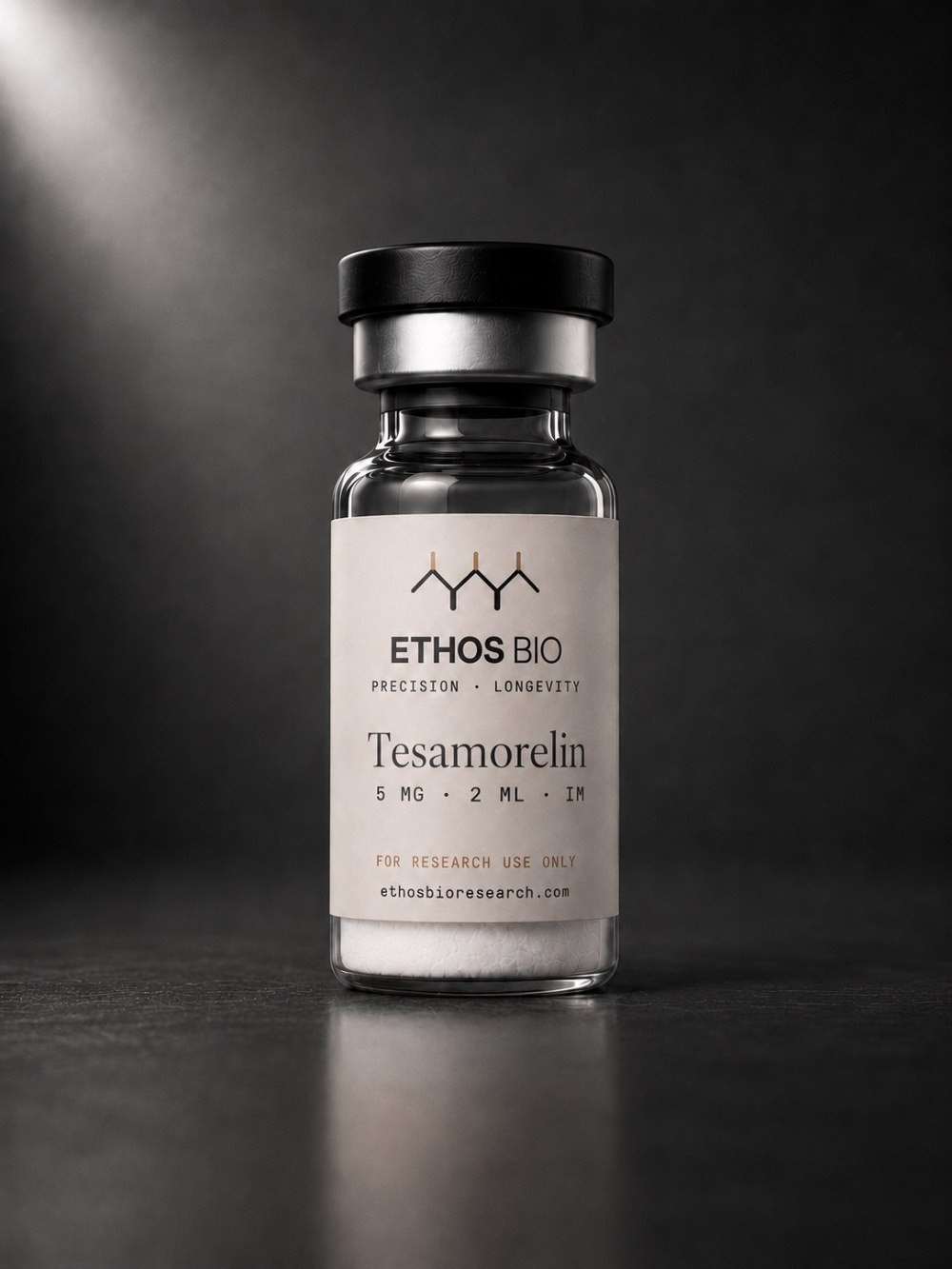
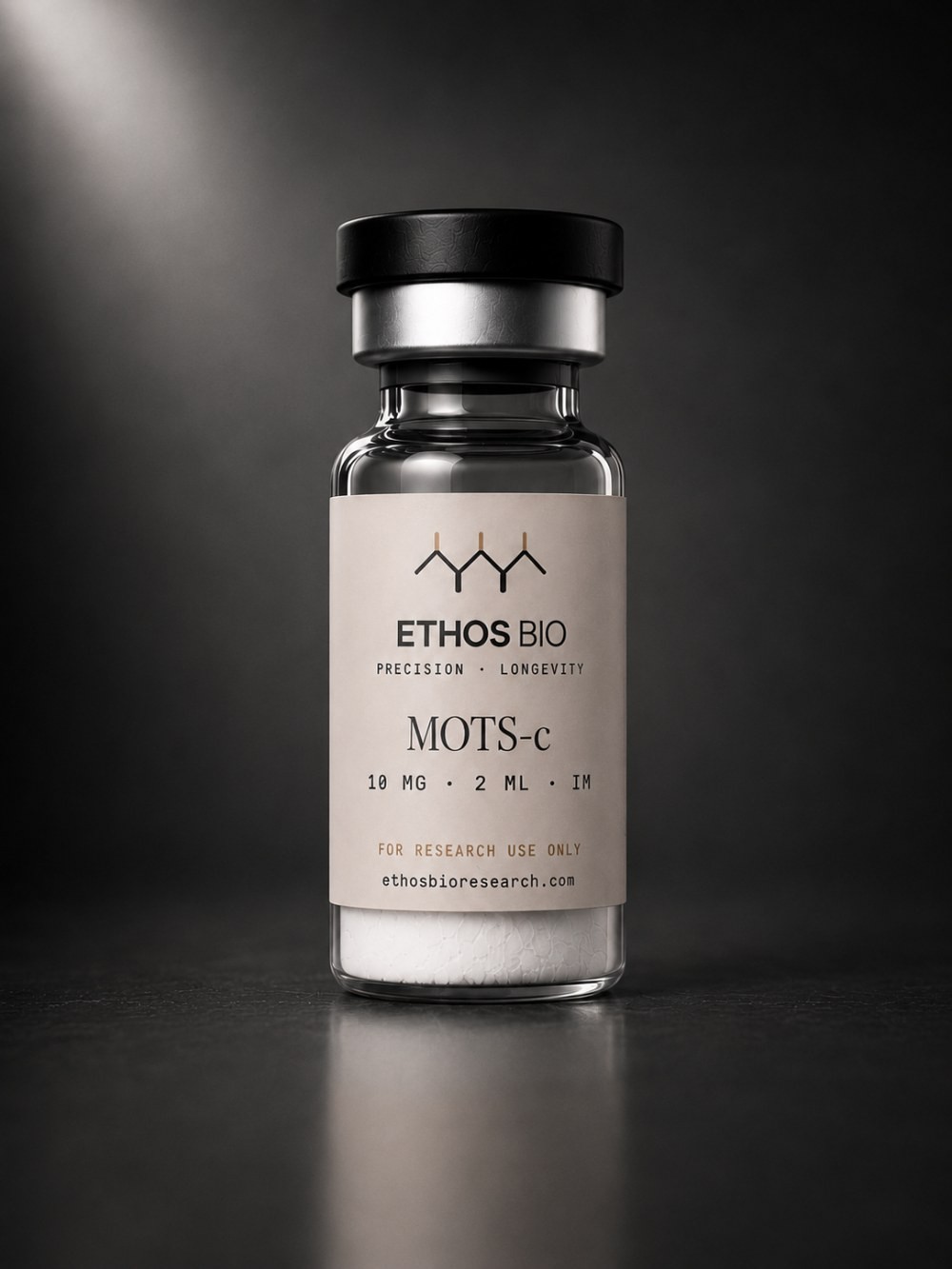
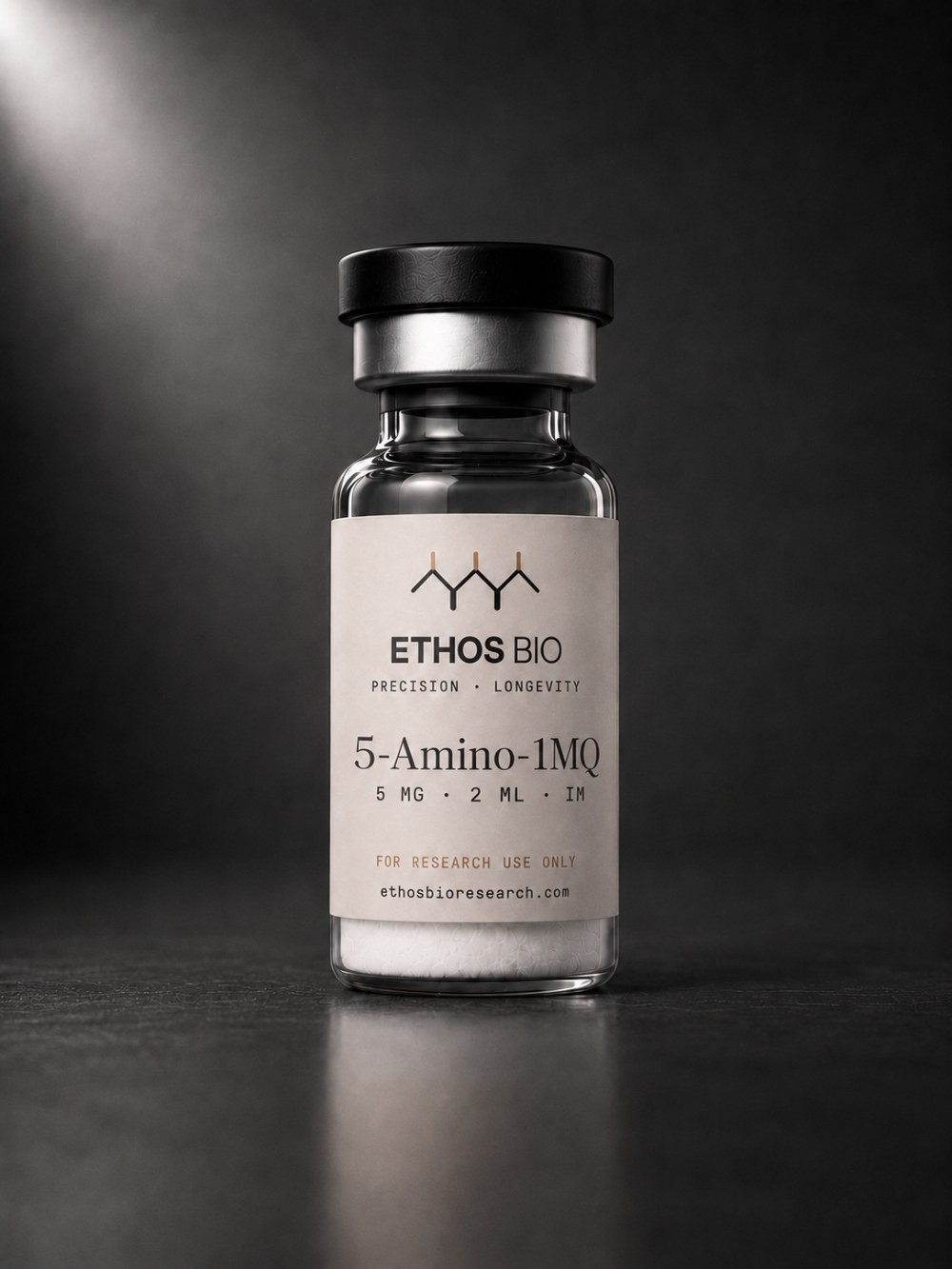
A complete reference on the receptor systems driving modern metabolic science — the incretin axis, the glucagon and amylin pathways, and the lipolytic fragments — with mechanisms, specifications, key literature, and per-lot-verified research reagents. Written for laboratory and animal-model research.
Body weight is not regulated by a single switch but by an interlocking network of gut-derived hormones, central appetite circuits, and peripheral energy metabolism. Understanding which signal a compound engages — and where — is the starting point for any metabolic research program.
When nutrients reach the small intestine, specialized enteroendocrine cells release a family of hormones collectively called incretins. These hormones travel to the pancreas, the gut, and the brain, where they coordinate the glucose-dependent insulin response, gastric emptying, and the central sense of satiety. The two principal incretins are incretin (incretin pathway) and glucose-dependent insulinotropic polypeptide (GIP).[1]
Over the past decade, the incretin system has become the dominant focus of metabolic research, joined by work on the glucagon receptor — associated with energy expenditure and hepatic lipid handling — and the amylin system, a co-secreted pancreatic hormone that contributes to satiety and the control of gastric emptying. The peptides in this guide are the receptor-agonist tools researchers use to dissect each of these pathways in cell assays and animal models.
Research framing only · No therapeutic, dosing, or human-use claims
02The Incretin Axis Explained
A incretin receptor agonist engages a class-B G-protein-coupled receptor expressed across pancreatic, gut, and central tissues. In research models, incretin receptor signaling is associated with a glucose-dependent insulin response — meaning it stimulates insulin release primarily when glucose is elevated — and with activation of central satiety circuits in the hypothalamus and brainstem.[1] Single-agonist tools such as sm1 are used to isolate incretin pathway-specific effects from the broader incretin response.
The GIP receptor is the second incretin target. For years GIP was considered the lesser-studied incretin, but the discovery that combined GIP/incretin pathway engagement produces additive metabolic signaling in model systems renewed intense research interest.[7] A dual GIP/incretin receptor agonist such as tz2 allows researchers to study that receptor cross-talk directly within a single molecule.
Adding the glucagon receptor extends the model further. Where glucagon is classically associated with raising blood glucose, in the context of a balanced multi-agonist its research interest lies in energy expenditure and hepatic lipid metabolism. A triple GIP/incretin pathway/glucagon agonist such as r3 is the most complex of the incretin tools.[5]
Running parallel to the incretins, the amylin pathway — studied with the long-acting analog cagrilintide — contributes to satiety signaling and gastric-emptying control, and is frequently investigated in combination with incretin pathway agonism.[6] Finally, lipolytic fragments such as AOD-9604, a modified C-terminal fragment of human growth hormone, are studied for fat-metabolism signaling that appears independent of the full growth-hormone receptor profile.[8]
03Single, Dual & Triple Agonists
The clearest way to organize the metabolic toolkit is by how many receptors a compound engages. Each added receptor opens a new axis of signaling for researchers to probe.
Class
Receptors engaged
Representative tool
Primary research interest
Single
incretin pathway
SM1
Isolated incretin pathway pharmacology; glucose-dependent insulin assays; central satiety circuits
Dual
GIP + incretin pathway
TZ2
Incretin receptor cross-talk; combined signaling vs. single-agonist controls
Triple
GIP + incretin pathway + Glucagon
R3
Energy-expenditure and hepatic-lipid axes layered onto the incretin response
Amylin
Amylin (CTR/RAMP)
Cagrilintide
Satiety and gastric-emptying signaling; incretin pathway combination models
Lipolytic
hGH fragment pathway
AOD-9604
Fat-metabolism signaling without the full GH receptor profile
TZ2Dual GIP / incretin pathway
TZ2 is a synthetic 39-amino-acid peptide engineered as a single molecule that engages both the GIP and incretin receptors. It originated from a program designed to test whether a balanced dual incretin agonist could produce metabolic signaling beyond a incretin receptor agonist alone.[7]
What researchers study
In model systems, tz2 is used to investigate receptor cross-talk — how simultaneous GIP and incretin pathway engagement alters insulin secretion, glucose handling, and satiety signaling relative to single-receptor controls. In a head-to-head clinical comparison, tz2 produced greater reductions in HbA1c and body weight than sm1, a finding that drives continued interest in the dual-agonist mechanism.[3][4]
Specifications
Class
Dual incretin agonist
Molecular weight
4,813.45 g/mol
Form
Lyophilized powder
Purity
≥99% (HPLC, MS-verified)
Available
5 · 10 · 15 · 30 mg
R3Triple GIP / incretin pathway / Glucagon
R3 is the most complex of the incretin tools — a single peptide engineered to engage three receptors at once: GIP, incretin pathway, and glucagon. The addition of glucagon-receptor agonism is what distinguishes it, layering an energy-expenditure and hepatic-lipid axis on top of the dual incretin response.[5]
What researchers study
The triple-agonist mechanism is used to ask whether engaging the glucagon receptor in a balanced molecule produces additive metabolic signaling beyond a dual agonist. In a phase-2 obesity trial, r3 produced the largest mean weight reductions reported for the class to date, making it a focal point for research on multi-receptor incretin pharmacology.[5]
Specifications
Class
Triple incretin/glucagon agonist
Molecular weight
4,731.32 g/mol
Form
Lyophilized powder
Purity
≥99% (HPLC, MS-verified)
Available
10 · 20 mg
SM1incretin pathway Agonist
SM1 is a long-acting incretin receptor agonist and the most widely studied single-incretin tool. Structural modifications to the native incretin pathway backbone extend its half-life substantially, allowing researchers to study sustained incretin receptor engagement in model systems.
What researchers study
Because it engages a single receptor, sm1 is the standard reference compound for isolating incretin pathway-specific pharmacology — glucose-dependent insulin-response assays and central satiety-circuit studies — and as the comparator against which dual and triple agonists are benchmarked.[2][3]
Specifications
Class
incretin receptor agonist
Molecular weight
4,113.58 g/mol
Form
Lyophilized powder
Purity
≥99% (HPLC, MS-verified)
Available
2 · 5 · 10 mg
CagrilintideAmylin Analog
Cagrilintide is a long-acting amylin analog. Amylin is a pancreatic hormone co-secreted with insulin that contributes to satiety and slows gastric emptying — a signaling axis distinct from, but complementary to, the incretins.[6]
What researchers study
Cagrilintide is studied both on its own, to characterize amylin-pathway satiety signaling, and in combination with incretin pathway agonism, where researchers investigate whether engaging two independent satiety systems produces additive effects in model systems.[6]
Specifications
Class
Long-acting amylin analog
Molecular weight
3,748.2 g/mol
Form
Lyophilized powder
Purity
≥99% (HPLC, MS-verified)
Available
5 · 10 · 20 mg
AOD-9604Lipolytic hGH Fragment
AOD-9604 is a modified peptide based on the C-terminal fragment (residues 176–191) of human growth hormone. It was developed to isolate the fat-metabolism signaling of growth hormone from its broader receptor activity.[8]
What researchers study
In animal-model work, AOD-9604 has been studied for effects on lipid metabolism and lipolysis that appear independent of the classical growth-hormone receptor and of changes in IGF-1 — making it a tool for probing fat-specific signaling pathways.[8]
Specifications
Class
Lipolytic hGH fragment (176–191)
Molecular weight
1,815.1 g/mol
Form
Lyophilized powder
Purity
≥99% (HPLC, MS-verified)
Available
2 · 5 · 10 mg
09Supporting Compounds
Beyond the core incretin and amylin tools, several adjacent compounds appear in metabolic research programs for their roles in visceral-fat and mitochondrial-energy signaling.
A practical view of the core metabolic reagents — class, vial range, and entry price — to help researchers scope a study budget. Larger vials carry a lower per-milligram cost.
Compound
Class
Vial range
From
Best value vial
TZ2
Dual GIP/incretin pathway
5–30 mg
$64.99
30 mg — $279.99 ($9.33/mg)
R3
Triple agonist
10–20 mg
$149.99
20 mg — $269.99 ($13.50/mg)
SM1
incretin pathway
2–10 mg
$34.99
10 mg — $89.99 ($9.00/mg)
Cagrilintide
Amylin analog
5–20 mg
$89.99
20 mg — $259.99 ($13.00/mg)
AOD-9604
Lipolytic fragment
2–10 mg
$34.99
10 mg — $84.99 ($8.50/mg)
11Handling, Reconstitution & Storage
These are general handling notes for lyophilized peptide reagents in a laboratory setting — not use instructions of any kind.
Storage
Lyophilized (freeze-dried) peptides are most stable as a dry powder. Stored at −4°F and protected from light and moisture, they remain stable for extended periods. Vials should be allowed to reach room temperature before opening to avoid condensation on the powder.
Reconstitution
For laboratory work, peptides are typically reconstituted with bacteriostatic or sterile water added slowly against the vial wall, then swirled — not shaken — until fully dissolved. Reconstituted peptide is kept refrigerated at 36–46°F and used within the window established by the researcher's protocol.
Handling notes for laboratory reagents only · Not directions for human or veterinary use
12Purity & Verification
Every Ethos Bio lot is analyzed by reverse-phase HPLC and independently confirmed by mass spectrometry through our third-party partner, Janoshik Analytical. A signed Certificate of Analysis documenting identity and ≥99% purity is provided for every lot and mirrored to your researcher account.
Every lot, independently verified
Identity by mass spectrometry, purity by HPLC. The COA shipped with your order reflects your specific lot.
Which peptides are most studied in metabolic research?
The incretin-receptor agonists — sm1 (incretin pathway), tz2 (GIP/incretin pathway), and r3 (GIP/incretin pathway/glucagon) — are the most actively studied, alongside the amylin analog cagrilintide and the lipolytic hGH fragment AOD-9604. All are supplied for research use only.
What is the difference between a single, dual, and triple agonist?
A single agonist engages one receptor (e.g. incretin pathway); a dual agonist engages two (GIP and incretin pathway); a triple agonist adds a third (glucagon). Each added receptor lets researchers study additional metabolic signaling in model systems.
Are these compounds sold for weight loss?
No. Every compound listed is sold strictly as a research reagent for laboratory and animal-model study. Nothing here is for human consumption, and no therapeutic or weight-loss claims are made.
How is purity verified?
Every Ethos Bio lot is analyzed by reverse-phase HPLC and independently confirmed by mass spectrometry, with a per-lot Certificate of Analysis documenting identity and purity.
How are these reagents stored?
As a lyophilized powder at −4°F, peptides are stable for months. Once reconstituted with sterile or bacteriostatic water for laboratory use, they are stored at 36–46°F and used within the researcher's established protocol window.
14References
Drucker DJ. Mechanisms of action and therapeutic application of incretin. Cell Metabolism. 2018;27(4):740–756.
Wilding JPH, et al. Once-weekly sm1 in adults with overweight or obesity (STEP 1). New England Journal of Medicine. 2021;384(11):989–1002.
Frías JP, et al. TZ2 versus sm1 once weekly in patients with type 2 diabetes (SURPASS-2). New England Journal of Medicine. 2021;385(6):503–515.
Jastreboff AM, et al. TZ2 once weekly for the treatment of obesity (SURMOUNT-1). New England Journal of Medicine. 2022;387(3):205–216.
Jastreboff AM, et al. Triple–hormone-receptor agonist r3 for obesity — a phase 2 trial. New England Journal of Medicine. 2023;389(6):514–526.
Lau DCW, et al. Once-weekly cagrilintide for weight management in people with overweight and obesity: a randomised, double-blind, placebo-controlled, dose-finding trial. The Lancet. 2021;398(10317):2160–2172.
Coskun T, et al. LY3298176, a novel dual GIP and incretin receptor agonist: from discovery to clinical proof of concept. Molecular Metabolism. 2018;18:3–14.
Heffernan MA, et al. The effects of human GH and its lipolytic fragment (AOD9604) on lipid metabolism following chronic treatment in obese mice and β3-AR knock-out mice. Endocrinology. 2001;142(12):5182–5189.
References are provided for scientific context on the receptor pathways discussed. Citation of a study does not constitute a therapeutic claim about any Ethos Bio product, all of which are sold for Research Use Only.