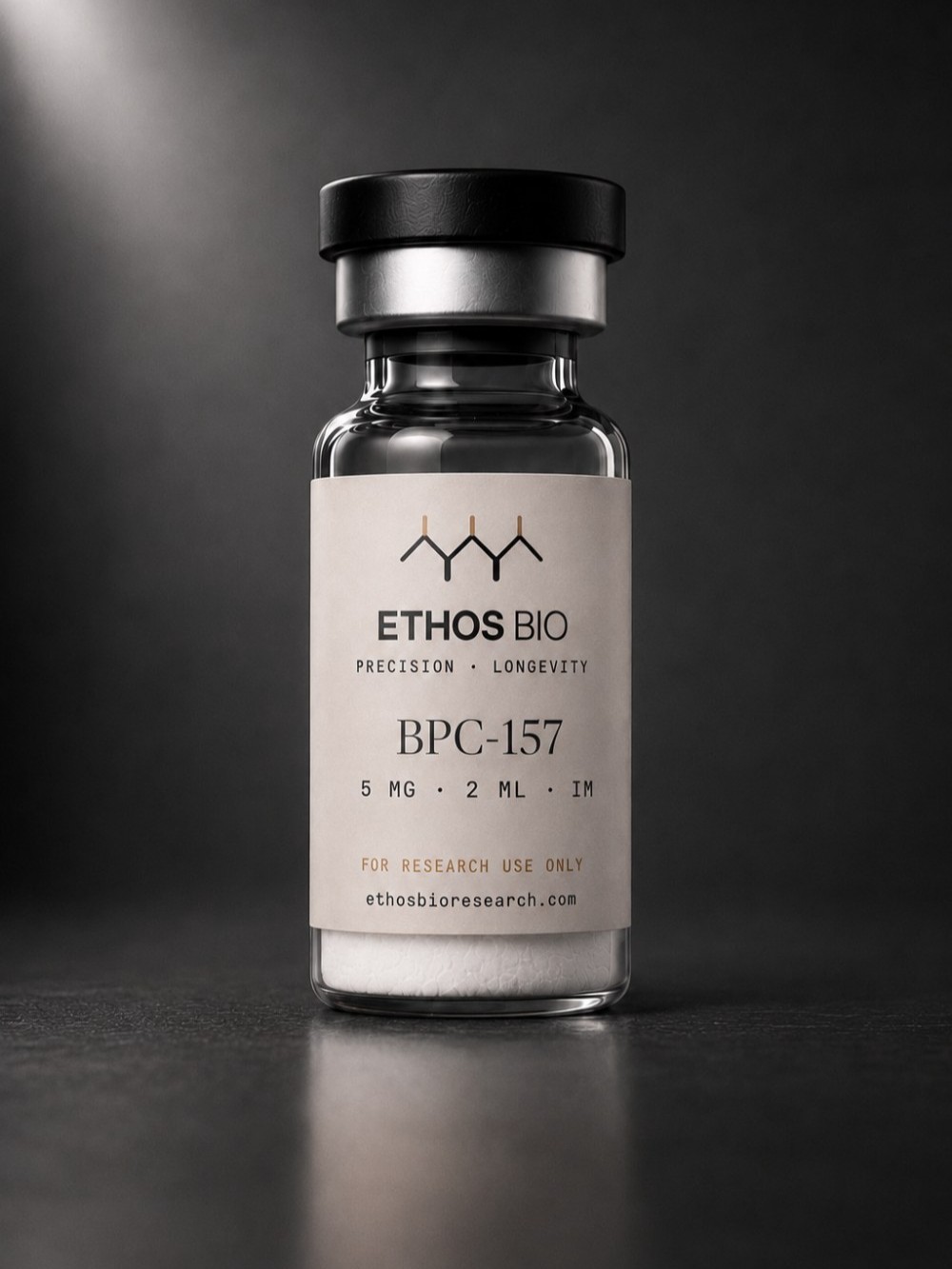
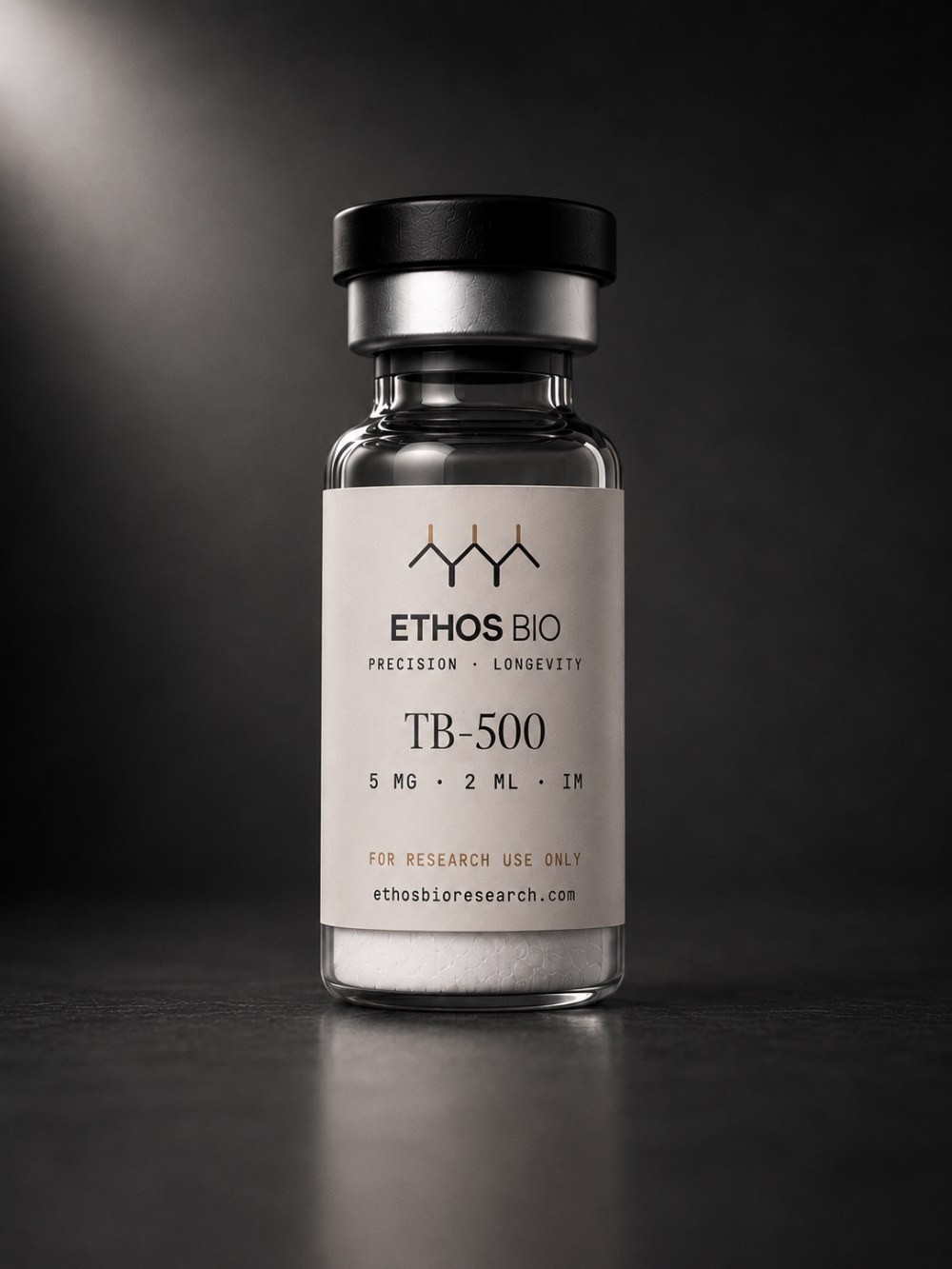
A complete reference on the growth-hormone and IGF-1 signaling axis — the GHRH analogs and growth-hormone secretagogues that drive endogenous GH release, and the downstream IGF-1 variants studied in skeletal-muscle models. Written for laboratory and animal-model research.
Focus area Growth / Anabolic signaling
Compounds covered 11
Primary pathways GHRH · GHS-R · IGF-1 · MGF
Reading time ~17 minutes
Updated June 2026
01The GH / IGF-1 Axis
Skeletal-muscle growth signaling is organized around a single dominant hormonal cascade: the growth-hormone and insulin-like-growth-factor-1 (GH/IGF-1) axis. Nearly every compound in this guide is a tool for probing one node of that cascade.
Growth hormone is released from the anterior pituitary in pulses, governed by two opposing hypothalamic signals: growth-hormone-releasing hormone (GHRH), which stimulates release, and somatostatin, which suppresses it. A parallel pathway — the growth-hormone secretagogue receptor (GHS-R), the receptor for ghrelin — provides a second, independent stimulus.[6] Once released, GH acts on the liver and peripheral tissues to drive production of IGF-1, the principal mediator of GH's anabolic signaling.[4]
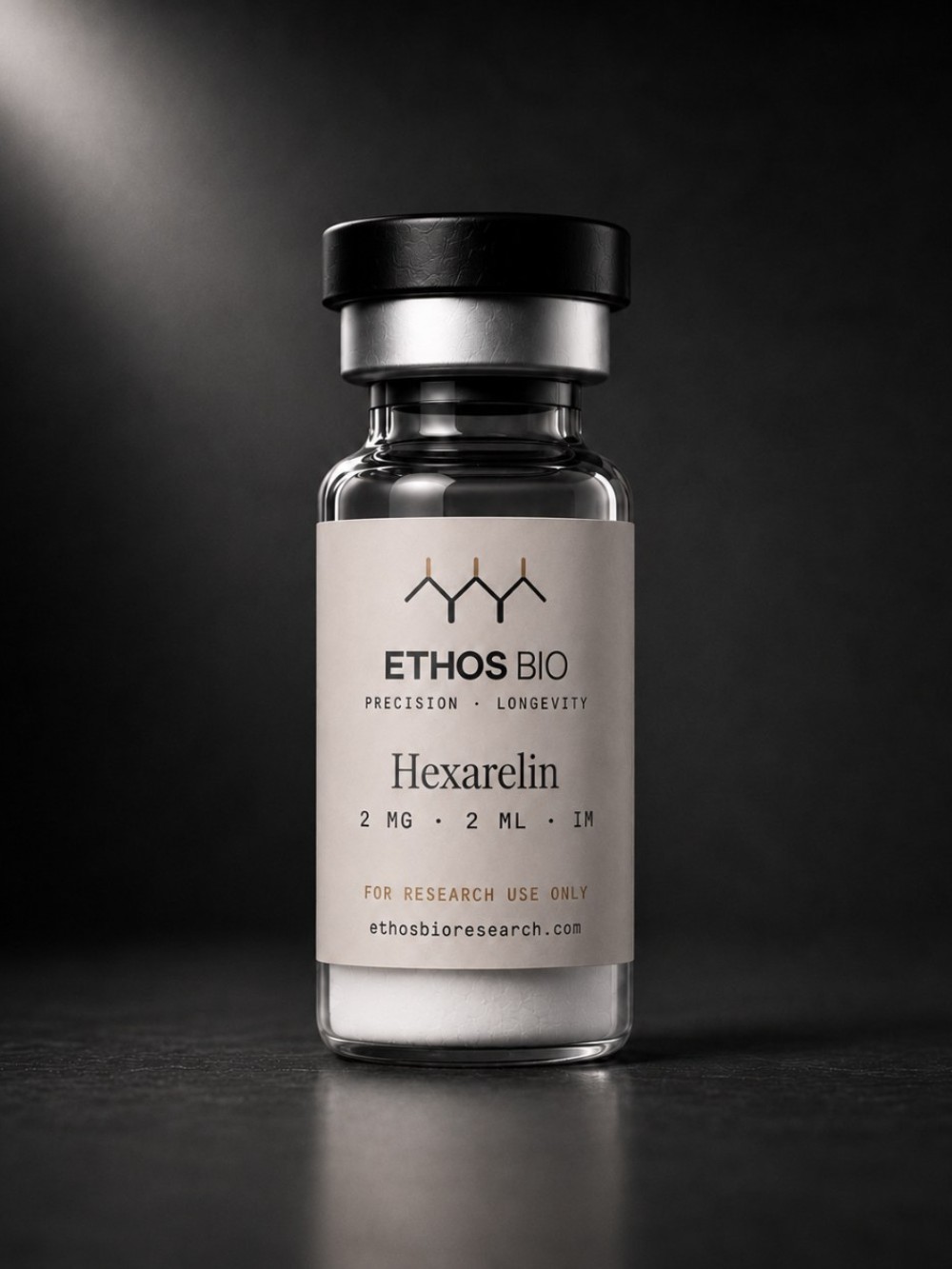
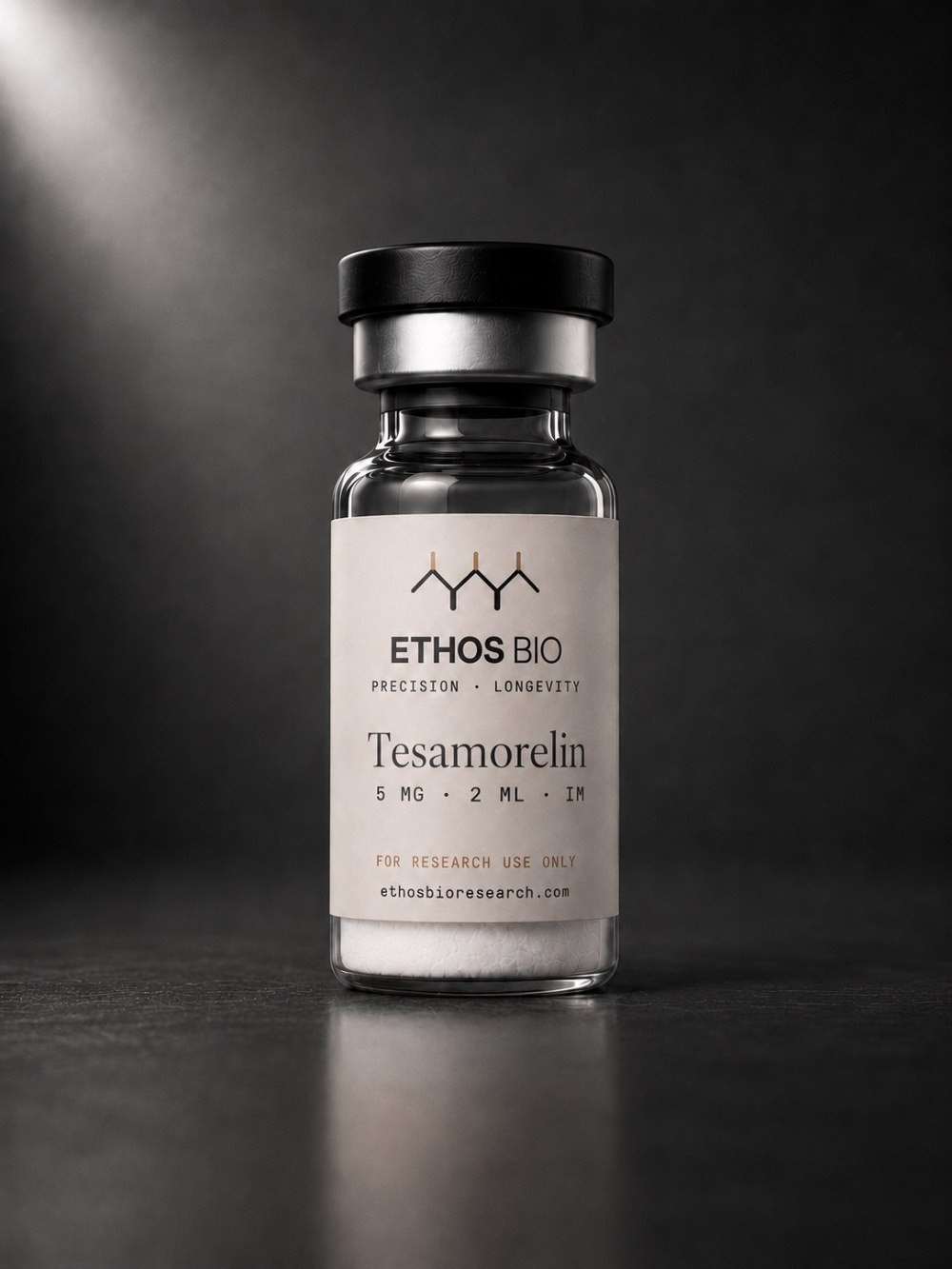
Research tools fall into three families that map directly onto this biology: GHRH analogs (sermorelin, CJC-1295, tesamorelin), GH secretagogues / GHRPs (ipamorelin, GHRP-2, hexarelin), and direct IGF-1 signaling tools (IGF-1 LR3, PEG-MGF). Understanding which node a compound engages is the starting point for any muscle-physiology research program.
Research framing only · No therapeutic, dosing, or human-use claims
02Secretagogues vs. Direct Signaling
A GHRH analog mimics the body's own releasing hormone, binding the GHRH receptor on pituitary somatotrophs to stimulate a pulse of endogenous GH. Because the signal still passes through the pituitary, the response remains subject to physiological feedback. Sermorelin (the minimal active GHRH fragment) and CJC-1295 (a stabilized analog) are the standard tools for studying this node.[1][3]
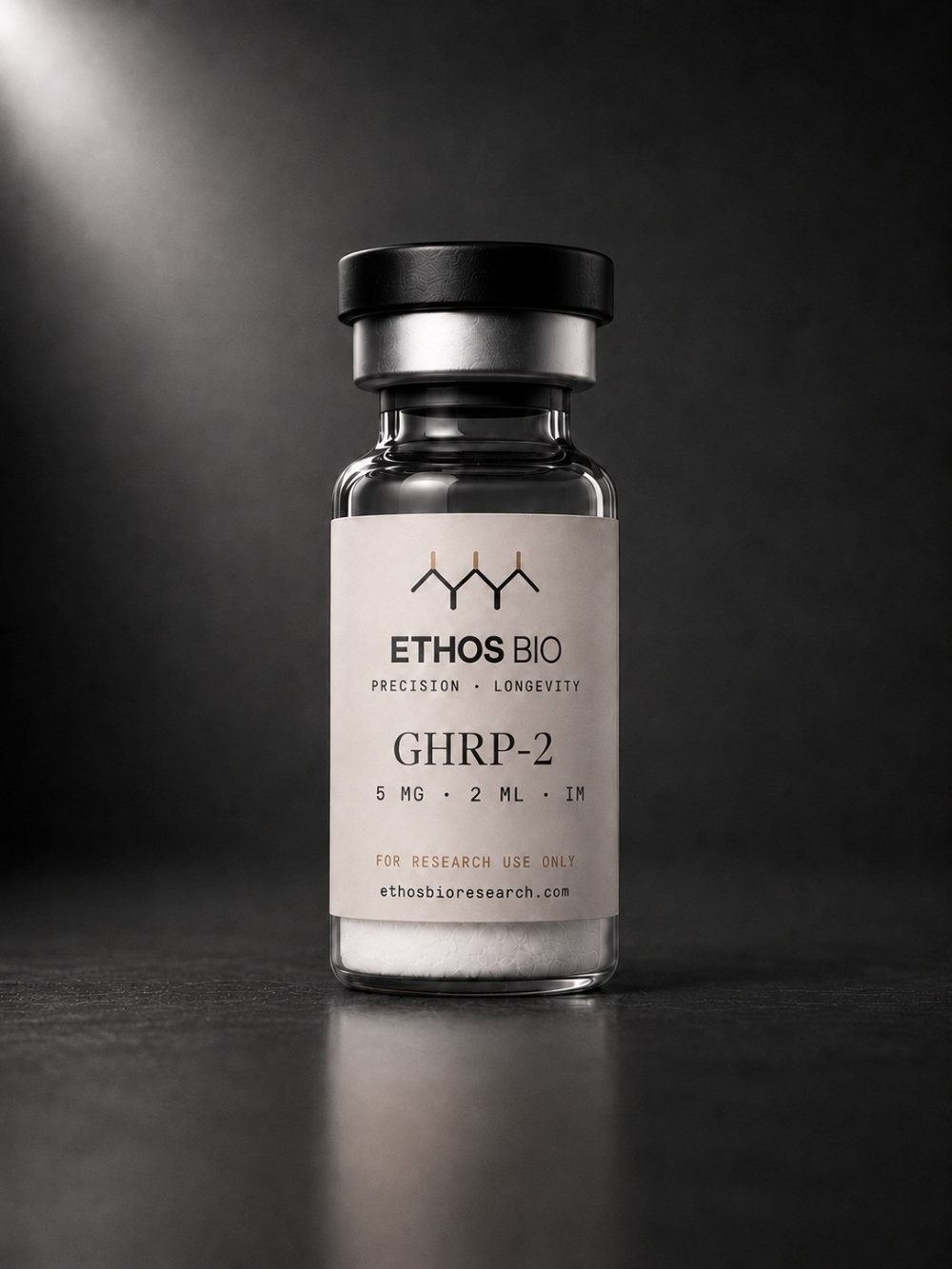
A growth-hormone-releasing peptide (GHRP) works through a different receptor entirely — the ghrelin / GHS receptor. In model systems, GHRPs such as ipamorelin stimulate GH release and amplify the GHRH signal, which is why the two classes are frequently studied together to characterize their synergy.[2][7]
Finally, direct IGF-1 tools bypass the pituitary altogether. IGF-1 LR3 is an analog engineered for prolonged receptor engagement, while PEG-MGF represents the muscle-specific splice variant of the IGF-1 gene studied for its role in satellite-cell activation.[5]
03Pulsatile vs. Sustained Engagement
A central variable in GH-axis research is the kinetics of receptor engagement — whether a tool produces a brief, physiological pulse or a sustained elevation. The distinction shapes which questions a compound can answer.
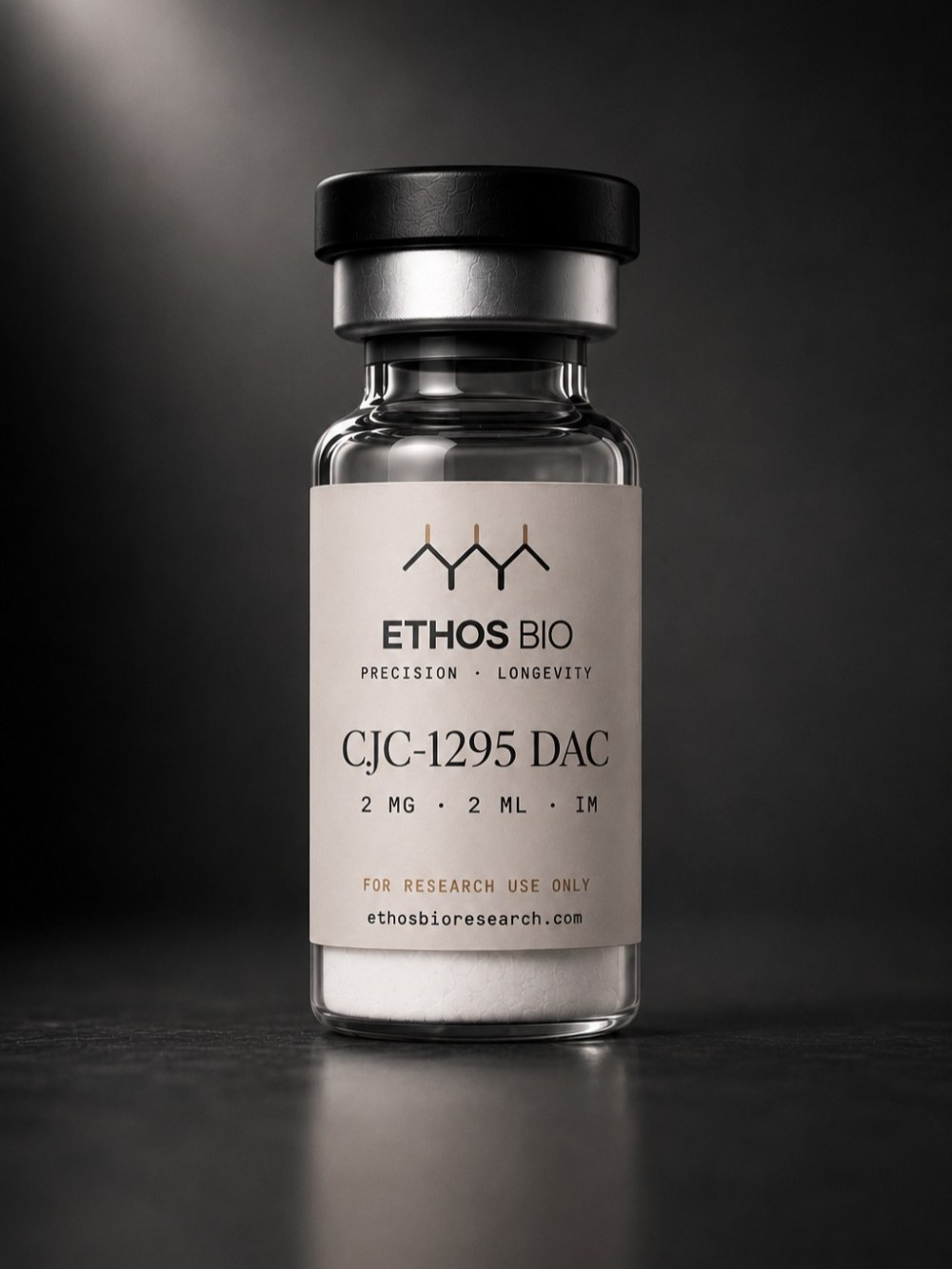
CJC-1295 is a synthetic analog of the first 29 amino acids of growth-hormone-releasing hormone — the minimal active GHRH sequence — with amino-acid substitutions that increase its stability against enzymatic breakdown. It engages the GHRH receptor on pituitary somatotrophs to stimulate a pulse of endogenous GH.[1]
What researchers study
In model systems, CJC-1295 is used to study GHRH-receptor signaling and the downstream GH/IGF-1 response with feedback architecture intact. It is frequently paired with a GHS-receptor agonist such as ipamorelin to investigate the synergy between the two independent GH-release pathways.[7]
Specifications
Class
Modified GRF(1–29) GHRH analog
Molecular weight
3,367.8 g/mol
Form
Lyophilized powder
Purity
≥99% (HPLC, MS-verified)
Available
2 · 5 mg
IpamorelinGHS-R Secretagogue
Ipamorelin is a pentapeptide growth-hormone secretagogue that binds the ghrelin / GHS receptor. It is valued in research for its selectivity: in model systems it stimulates GH release with minimal effect on cortisol and prolactin, distinguishing it from earlier, less selective secretagogues.[2]
What researchers study
Ipamorelin is the standard tool for isolating GHS-receptor-mediated GH release. Because it engages a different receptor than the GHRH analogs, researchers combine the two classes to characterize additive or synergistic signaling on the somatotroph.[7]
Specifications
Class
Selective GH secretagogue (GHRP)
Molecular weight
711.85 g/mol
Form
Lyophilized powder
Purity
≥99% (HPLC, MS-verified)
Available
5 · 10 mg
SermorelinGHRH(1–29)
Sermorelin is the truncated 1–29 fragment of GHRH — the shortest sequence that retains full GHRH activity. As the classic GHRH-receptor research tool, it produces a physiological GH pulse that remains subject to somatostatin feedback.[3]
What researchers study
Sermorelin is used to model native GHRH signaling and as a reference compound against which stabilized analogs such as CJC-1295 are compared. Its shorter half-life makes it useful for studying the kinetics of a single, feedback-intact GH pulse.
Specifications
Class
GHRH(1–29) fragment
Molecular weight
3,357.9 g/mol
Form
Lyophilized powder
Purity
≥99% (HPLC, MS-verified)
Available
5 · 10 · 15 mg
IGF-1 LR3IGF-1 Analog
IGF-1 LR3 (Long R3 IGF-1) is an 83-amino-acid analog of insulin-like growth factor 1, engineered with an arginine substitution and an N-terminal extension that sharply reduce binding to IGF-binding proteins. The result is a markedly prolonged half-life and sustained engagement of the IGF-1 receptor.[4]
What researchers study
Because it acts directly at the IGF-1 receptor — downstream of the pituitary — IGF-1 LR3 is used to study IGF-1 signaling itself: myoblast proliferation and differentiation, protein-synthesis pathways, and cellular hypertrophy in muscle-model systems.[4]
Specifications
Class
Long R3 IGF-1 analog
Molecular weight
9,117.7 g/mol
Form
Lyophilized powder
Purity
≥99% (HPLC, MS-verified)
Available
1 · 2 · 5 mg
PEG-MGFMechano Growth Factor
Mechano growth factor (MGF) is a splice variant of the IGF-1 gene (IGF-1Ec) expressed locally in muscle in response to mechanical load. PEG-MGF adds a polyethylene-glycol moiety that protects the otherwise short-lived peptide from rapid degradation, extending its stability for research use.[5]
What researchers study
MGF is studied for its proposed role in activating muscle satellite cells — the resident stem cells that drive repair and hypertrophy after mechanical stress. Researchers use PEG-MGF to probe the local, load-responsive arm of IGF-1 signaling distinct from systemic IGF-1.[5]
Specifications
Class
PEGylated IGF-1Ec (MGF) splice variant
Molecular weight
— (PEGylated)
Form
Lyophilized powder
Purity
≥99% (HPLC, MS-verified)
Available
2 · 5 mg
09Supporting Compounds
Beyond the core GH-axis tools, several adjacent secretagogues and tissue-repair peptides appear together in muscle and recovery research programs.
A practical view of the core reagents in this guide — class, vial range, and entry price — to help researchers scope a study budget. Larger vials carry a lower per-milligram cost.
Compound
Class
Vial range
From
Best value vial
CJC-1295
GHRH analog
2–5 mg
$24.99
5 mg — $47.99 ($9.60/mg)
Ipamorelin
GH secretagogue
5–10 mg
$42.99
10 mg — $74.99 ($7.50/mg)
Sermorelin
GHRH(1–29)
5–15 mg
$49.99
15 mg — $124.99 ($8.33/mg)
IGF-1 LR3
IGF-1 analog
1–5 mg
$129.99
5 mg — $449.99 ($90.00/mg)
PEG-MGF
MGF splice variant
2–5 mg
$39.99
5 mg — $69.99 ($14.00/mg)
11Handling, Reconstitution & Storage
These are general handling notes for lyophilized peptide reagents in a laboratory setting — not use instructions of any kind.
Storage
Lyophilized (freeze-dried) peptides are most stable as a dry powder. Stored at −4°F and protected from light and moisture, they remain stable for extended periods. Vials should be allowed to reach room temperature before opening to avoid condensation on the powder.
Reconstitution
For laboratory work, peptides are typically reconstituted with bacteriostatic or sterile water added slowly against the vial wall, then swirled — not shaken — until fully dissolved. Reconstituted peptide is kept refrigerated at 36–46°F and used within the window established by the researcher's protocol.
Handling notes for laboratory reagents only · Not directions for human or veterinary use
12Purity & Verification
Every Ethos Bio lot is independently analyzed by MZ Biolabs (Tucson, Arizona) on a five-point panel — reverse-phase HPLC purity and mass-spectrometry identity, plus endotoxin, heavy-metals, and sterility screening. A signed Certificate of Analysis documenting identity and ≥99% purity is provided for every lot and mirrored to your researcher account.
Every lot, independently verified
Identity by mass spectrometry, purity by HPLC. The COA shipped with your order reflects your specific lot.
What is the difference between a GHRH analog and a GHRP?
A GHRH analog (sermorelin, CJC-1295) engages the GHRH receptor — the body's own releasing-hormone pathway. A GHRP (ipamorelin, GHRP-2) engages the separate ghrelin / GHS receptor. Because they act on different receptors, the two classes are often studied together to characterize their combined effect on growth-hormone release.
Why are GHRH analogs and GHRPs studied together?
In model systems the two pathways are complementary: a GHRP can amplify the growth-hormone pulse produced by a GHRH analog. Pairing them lets researchers investigate receptor synergy that neither class produces alone.
What does the "DAC" in CJC-1295 DAC mean?
DAC stands for Drug Affinity Complex — a modification that binds the peptide to serum albumin, dramatically extending its half-life. Researchers use the DAC and non-DAC versions to compare sustained versus pulsatile GHRH-receptor engagement.
Are these compounds sold for bodybuilding or muscle gain?
No. Every compound listed is supplied strictly as a research reagent for laboratory and animal-model study. Nothing here is for human consumption, and no performance, physique, or therapeutic claims are made.
How is purity verified?
Every Ethos Bio lot is analyzed by reverse-phase HPLC and independently confirmed by mass spectrometry, with a per-lot Certificate of Analysis documenting identity and ≥99% purity.
14References
Teichman SL, Neale A, Lawrence B, et al. Prolonged stimulation of growth hormone and insulin-like growth factor I secretion by CJC-1295, a long-acting analog of GHRH, in healthy adults. Journal of Clinical Endocrinology & Metabolism. 2006;91(3):799–805.
Raun K, Hansen BS, Johansen NL, et al. Ipamorelin, the first selective growth hormone secretagogue. European Journal of Endocrinology. 1998;139(5):552–561.
Walker RF. Sermorelin: a better approach to management of adult-onset growth hormone insufficiency? Clinical Interventions in Aging. 2006;1(4):307–308.
Philippou A, Maridaki M, Halapas A, Koutsilieris M. The role of the insulin-like growth factor 1 (IGF-1) in skeletal muscle physiology. In Vivo. 2007;21(1):45–54.
Hill M, Goldspink G. Expression and splicing of the insulin-like growth factor gene in rodent muscle is associated with muscle satellite (stem) cell activation following local tissue damage. Journal of Physiology. 2003;549(Pt 2):409–418.
Kojima M, Hosoda H, Date Y, et al. Ghrelin is a growth-hormone-releasing acylated peptide from stomach. Nature. 1999;402(6762):656–660.
Sigalos JT, Pastuszak AW. The safety and efficacy of growth hormone secretagogues. Sexual Medicine Reviews. 2018;6(1):45–53.
References are provided for scientific context on the receptor pathways discussed. Citation of a study does not constitute a therapeutic claim about any Ethos Bio product, all of which are sold for Research Use Only.